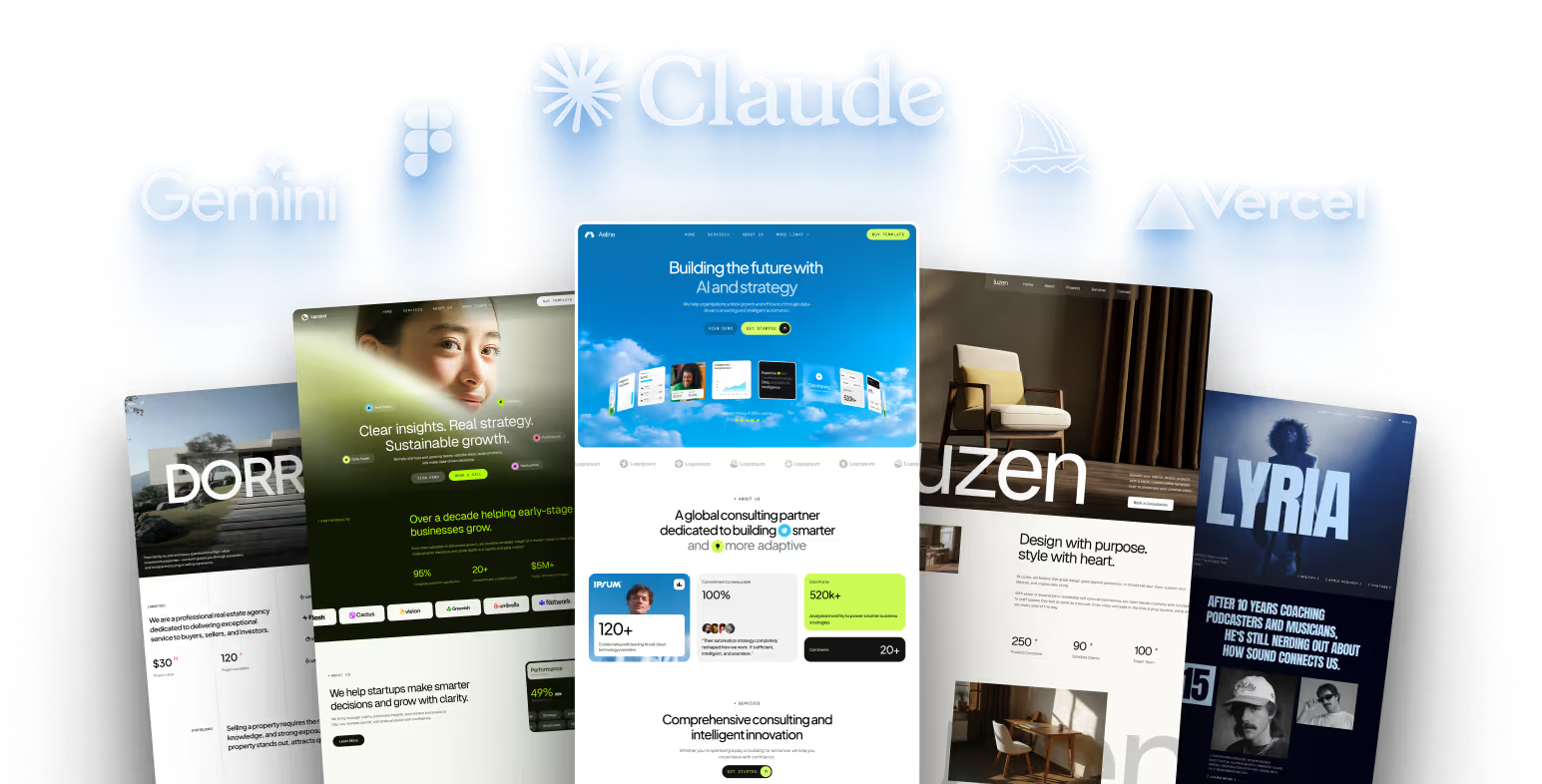
How to Sell Framer Templates

Selling Framer templates can be a profitable way to earn passive income. Top creators make $4,000–$10,000+ per month, and even a single template can generate $1,000 in sales within two months. Here's why and how you can get started:
- Why It Works: Framer's no-code platform is growing fast, with over 60% of websites expected to use no-code tools by 2025. Templates save businesses time and money, making them highly sought after.
- Who Can Sell: Freelancers, agencies, and creatives - no advanced coding needed. Framer lets you keep 100% of your revenue and promotes your templates to thousands of users.
- What to Focus On: Create responsive, visually appealing, and easy-to-customize templates. Target specific industries (e.g., real estate, e-commerce) to stand out.
- How to Price: Research competitors, use value-based pricing, and consider bundling templates for higher sales.
- Promotion Tips: Use the Framer Marketplace, social media, and customer testimonials to boost visibility and trust.
Start designing templates that solve real problems, and you can turn your creativity into a scalable, consistent income stream.
How He Made $2,000 in 30 Days Selling Framer Templates (Step-By-Step)

Designing Templates That Sell: Elements of Successful Framer Templates
Creating a design template isn’t just about making something that looks good - it’s about crafting something that works well for users and stands out in the marketplace. The best Framer templates strike a perfect balance between visual appeal and functionality, addressing user needs while delivering a polished experience. Let’s dive into the key features and strategies that can make your templates more marketable.
Key Features for Marketable Templates
To make a Framer template that sells, you need to focus on features that enhance usability and appeal. Here are some essentials:
- Responsive design: Your template must look and function perfectly across devices - whether it’s a smartphone, tablet, or desktop.
- Interactive elements: Animations and hover effects can make your design feel dynamic and engaging. Just ensure these features enhance the experience rather than distracting from it.
- Visual hierarchy: Use typography, size, color, and contrast to guide users effortlessly through your design. Clear headlines, readable text, and prominent call-to-action buttons help create a logical flow.
- Consistent styling: Uniform fonts, colors, and spacing across all pages give your template a professional and cohesive appearance.
- Clear navigation: A well-organized menu structure ensures users can find what they’re looking for quickly and easily.
- Performance optimization: Fast-loading pages and smooth animations aren’t just nice to have - they’re essential for user satisfaction and can even boost search rankings.
- Accessibility features: Design with inclusivity in mind. Proper color contrast and adherence to accessibility standards ensure your template works for everyone, including users with disabilities.
Creating Templates for Target Industries
Going beyond generic designs and tailoring templates for specific industries can make your work stand out. Templates that solve real problems for businesses in a particular sector are more likely to succeed.
For example, an electrician-themed template could include service listings, emergency contact sections, and a color scheme that reflects the trade. Icons like lightning bolts could further emphasize the theme.
Here’s how you can approach industry-specific designs effectively:
- Do your research: Tools like Google Trends can help you identify popular keywords and underserved niches. Look for industries where existing templates fall short.
- Think like your audience: Develop fictional scenarios to understand the unique needs of different businesses. For instance, a law firm might prioritize professionalism and trust, while a wellness center might focus on tranquility and health.
- Include essential features: Each industry has its own requirements. A restaurant template might need menu displays and reservation systems, while a real estate template would benefit from property listing capabilities.
- Engage with your audience: Explore forums and online communities where your target users hang out. Learning about their challenges will help you design templates that solve real-world problems.
Balancing Simplicity and Customization
A great template is easy to use but flexible enough to allow for personalization. Striking this balance ensures your design appeals to both beginners and advanced users.
- Standardize styles: Create global text and color styles so users can make changes across the template without editing each element individually.
- Use reusable components: Build common elements like buttons or headers as reusable components with clear, descriptive names. This simplifies editing and speeds up page creation.
- Visibility conditionals: Hide empty sections dynamically to keep the design clean and functional.
- CMS integration: Add dynamic content features, such as blogs, product catalogs, or team pages, that users can update easily.
- No coding required: Allow users to customize fonts, colors, and other design elements without needing technical skills. This opens up your template to a broader audience.
- Thoughtful animations: Subtle animations and transitions can elevate your design, but they should always serve a purpose - whether it’s guiding the user’s attention or reinforcing key information.
The success of your template hinges on how well it addresses user needs while maintaining a visually appealing design. By tailoring your work to specific industries and keeping usability at the forefront, you can create templates that people will love to use - and buy.
Pricing Strategies to Maximize Profit
Setting the right price for your templates is key to standing out as a seller while ensuring you earn a fair profit. Striking the right balance between affordability and profitability can make all the difference. Here are some strategies to help you price your templates effectively.
Conducting Competitive Analysis
Once your template design is polished, the next step is to align your pricing with market trends. The Framer Marketplace is a great place to start your research. By analyzing pricing patterns across various template categories and levels of complexity, you can gain valuable insights into what works.
Look at templates similar to yours in terms of design complexity, industry focus, and features. Pay attention to both the highest and lowest price points in your category. This will help you identify where your template fits within the market and uncover ways to make your offering stand out.
Some sellers adopt premium pricing by offering advanced features, while others focus on affordability to attract higher sales volumes. Here are a few key factors to consider during your analysis:
- Template complexity: Simpler templates, like single landing pages, generally have lower price tags compared to more elaborate multi-page designs.
- Industry focus: Templates tailored for specific industries, such as healthcare or finance, can often command higher prices.
- Features: Advanced elements like interactive components, CMS integration, or custom features can justify a higher price.
- Bundles: Combining related templates into discounted packages is a popular approach.
To stay organized, track your findings in a spreadsheet. Include competitor names, template types, pricing, and standout features. This data will serve as a reference for pricing your templates competitively. Keep revisiting and updating your analysis to stay in tune with market shifts.
Using Value-Based Pricing Models
Once you’ve done your market research, it’s time to focus on the value your template offers. Value-based pricing revolves around what your customers gain from your template rather than how much it costs to create. This approach can yield better profits because it reflects the benefits your template delivers.
Think about the problems your template solves. For example:
- Does it help businesses launch faster?
- Does it include features that would otherwise require costly custom development?
- Does it cater to industries with larger budgets for design work?
Price your template based on the time and money it saves your customers. For instance, if your template allows a business to launch its website two weeks earlier than if built from scratch, consider the potential revenue impact and cost savings compared to hiring a designer. To better understand your target audience’s willingness to pay, engage with them through forums, social media, or industry communities.
You can also segment your audience by their needs and business size. Offering different pricing tiers - such as one for freelancers and another for established agencies - can help you appeal to a broader range of buyers.
Creating Bundles and Upsells
Bundling templates or offering add-ons is another way to boost your sales and increase the value of each transaction. Customers often appreciate the convenience of purchasing a bundle that meets multiple needs.
For example, you could create themed bundles like a "Professional Services Bundle" for law firms, consulting agencies, and accountants, or a "Creative Portfolio Bundle" for photographers, designers, and artists.
Here are some bundling ideas:
- Industry-specific packages: Combine templates designed for similar markets.
- Complexity tiers: Offer basic, standard, and premium versions of templates. For instance, a basic version might include essential pages, while the premium version adds advanced features like e-commerce or member portals.
- Seasonal collections: Group templates for events like holiday promotions or back-to-school campaigns.
- Add-on services: Provide extras like custom color schemes, additional layouts, or setup guides to increase revenue per sale.
When pricing your bundles, aim to offer real savings - typically 15–25% off the total cost of buying each template individually. Experiment with different bundles and pricing options to find what resonates most with your audience, and focus on the combinations that drive the best results.
sbb-itb-fdf3c56
Promoting Your Templates for Maximum Visibility
Once you've crafted high-quality templates and set competitive prices, the next step is making sure your target audience knows they exist. Even the most talented designers can struggle with sales if their products remain hidden. The solution? Consistent promotion across multiple platforms to expand your reach and build trust.
Using the Framer Marketplace

The Framer Marketplace is a key platform for selling templates, offering access to a steady stream of potential buyers. However, getting your work listed here requires meeting specific standards.
To increase your chances of approval, focus on creating templates that are polished and well-organized. Pay attention to the details that reviewers prioritize: add alt tags to images, use clear and descriptive section names, remove unnecessary components, and keep your layers tidy. These steps not only improve your chances of acceptance but also enhance your templates' overall appeal.
Titles and tags matter, too. Use keywords buyers are likely to search for. Instead of something vague like "Business Template", go with precise and descriptive titles such as "Modern Real Estate Agency Website Template" or "SaaS Landing Page with Interactive Pricing." This approach helps your templates stand out in search results.
Visuals, animations, and layout originality are also crucial. Templates that offer unique features are more likely to gain attention and approval. As of May 2025, ecommerce and real estate templates are particularly promising niches due to high demand and relatively low competition. On the other hand, categories like personal portfolios or local business sites are often oversaturated unless you can offer something truly distinct.
The effort you put into meeting Framer's standards doesn't just pay off here - it also sets you up for success on other platforms. Once your templates are optimized, you're better positioned to promote them across additional channels.
Building an Online Presence
A strong online presence is essential for sustained sales. Social media and content marketing can help you consistently attract buyers. Make it a habit to promote your templates weekly on platforms like Pinterest and your own website.
Pinterest, in particular, works well for digital design products. Think of it as a search engine, not just a social platform. Create multiple variations of your template visuals and pin them regularly to drive traffic to your listings.
Another effective strategy is creating content that resonates with your audience. Share design tutorials, industry insights, and success stories to engage potential buyers. Consistency is key - develop a schedule that includes blog posts, product visuals, videos, and even user-generated content. Promptly responding to comments and messages also helps build genuine connections with your audience.
Social media promotions, like limited-time offers, can create urgency and boost sales. Many platforms also allow you to target specific demographics, making it easier to reach people most likely to buy your templates. Remember, in today’s digital-first world, a strong online presence can make all the difference. A 2021 survey found that 76% of U.S. consumers research a company’s website before visiting in person, highlighting the importance of online visibility.
Using Customer Testimonials and Case Studies
To complement your promotional efforts, leverage the power of customer testimonials and case studies. These forms of social proof can significantly increase trust and conversions. In fact, 88% of consumers trust online reviews as much as personal recommendations from friends or family. For B2B customers, testimonials and peer recommendations are considered the most reliable forms of content, valued by 97% of decision-makers.
Including testimonials on your website or sales pages can make a huge impact. Studies show that websites featuring testimonials see a 45% increase in traffic, and sales pages with testimonials can boost conversions by 34%. Actively seek feedback from satisfied customers and display it prominently across your website, marketplace listings, and marketing materials. Use a mix of formats - text, video, and images - to cater to different preferences.
Case studies, on the other hand, provide detailed proof of your templates' effectiveness. They show potential buyers the real-world results others have achieved. For example, Slack’s case study with Airbnb highlighted how the company improved internal communication efficiency by 32% after adopting their platform. Similarly, your case studies should focus on specific outcomes and data to make them compelling.
Tailor your testimonials and case studies to address the concerns of different buyer segments. By doing so, you can create marketing materials that speak directly to their needs and build stronger connections. When used effectively, testimonials and case studies don’t just build trust - they become a powerful part of your overall promotional strategy.
Conclusion: Building a Long-Term Business Selling Framer Templates
Selling Framer templates can be a lucrative venture with the right approach. Just look at the numbers: top creators on the Framer Marketplace make over $10,000 per month, and some templates alone have raked in $3,000 in their early days.
The secret to sustained success lies in focusing on high-demand, low-competition niches. For example, as of January 2025, ecommerce templates are a promising category. They see 1,900 monthly searches but face only 110 competing templates, earning them an opportunity score of 83. Compare this to oversaturated categories like agency templates, which have 660 competitors but only 90 searches each month.
Pricing strategies also play a critical role. Instead of relying solely on competitive pricing, consider bundling templates to boost your average order value. You can also explore additional income streams like Framer’s affiliate program, which offers a 50% commission for 12 months, or monthly maintenance contracts that can bring in $75–$200 per client.
Customer satisfaction is the backbone of any successful business. To keep customers coming back, focus on delivering exceptional support. Provide clear documentation, respond quickly to inquiries, and gather regular feedback to improve your offerings.
"Increasing repeat purchases from shoppers is all about making their experience better." – Emily Onkey, cofounder of Aplós.
Loyalty programs, personalized recommendations, and email marketing can also help you build lasting relationships with your customers. These strategies not only encourage repeat business but also position you to take full advantage of a growing market.
As the template market continues to expand, staying informed is essential. Keep an eye on trends through resources like Framer University, pay attention to customer reviews, and adjust your offerings based on market feedback. Staying proactive ensures you’ll remain competitive as more businesses and creators embrace the online space.
FAQs
What can I do to make my Framer templates stand out and sell better?
To make your Framer templates shine in a crowded marketplace, focus on designing templates that are both high-quality and tailored to specific customer needs. Features like mobile responsiveness, SEO-friendly structures, and clean, easy-to-navigate layouts can significantly boost their appeal.
Start by diving into market research to pinpoint popular design trends and in-demand niches. This allows you to create templates that align with what buyers are actively looking for. Showcasing your best work in a polished portfolio can also help build credibility. Don’t forget to leverage social media platforms to promote your templates and reach a broader audience.
When it comes to pricing, keep it competitive while clearly highlighting the value your templates offer. By blending thoughtful design, smart marketing, and customer-focused features, you can boost sales and create a steady income stream.
How can I find profitable niches for selling Framer templates?
How to Identify Profitable Niches for Framer Templates
Start by diving into research on current trends and popular design needs. Tools like Google Trends can be a great starting point to spot rising interests and discover new opportunities. Another valuable resource is the Framer Marketplace, where you can check which templates are performing well and gaining traction with users.
Don’t stop there - join online communities like forums or social media groups where designers and users discuss their needs and challenges. Pay close attention to conversations about design frustrations or unmet demands. These discussions can uncover market gaps waiting to be filled. By blending data-driven insights with feedback from real users, you’ll be better equipped to pinpoint high-demand niches that match your expertise and creative style.
What’s the best way to price my Framer templates to boost sales and profits?
To price your Framer templates wisely, start by understanding your audience and studying how similar templates are priced in the market. This gives you a solid foundation for setting a competitive price. One effective approach is value-based pricing - pricing your templates based on the benefits they deliver to customers rather than just the costs of creating them. If your templates include standout features or address specific challenges, you can often justify charging a higher price.
You might also consider offering tiered pricing - for example, basic, standard, and premium options - to cater to a variety of customer preferences and budgets. Additionally, promotional tactics like limited-time discounts or bundles can help attract buyers and gauge how sensitive your audience is to price changes. Make it a habit to regularly revisit your pricing strategy, using sales data and customer feedback to ensure it aligns with market trends and helps you optimize your profits.
Related posts
Recommended posts
Deliver more, charge more.